
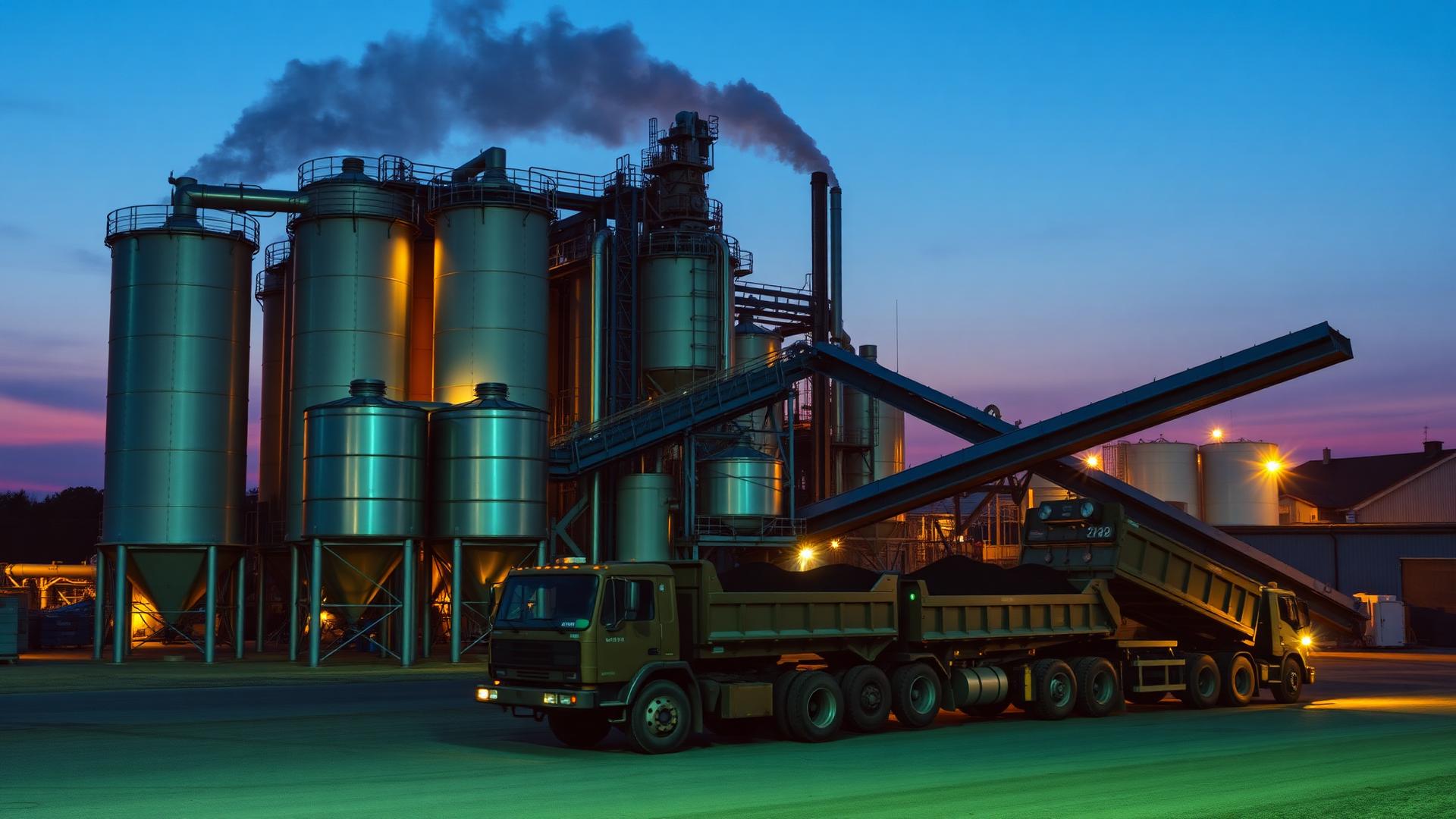
Modified bitumen-rubber asphalt for serious infrastructure.
A fully integrated batching and binder operation — producing modified bituminous binder for high-performance road construction and rehabilitation across South Africa.
The wet-blend method, aligned with SABITA Manual 19.
We use the wet-blend process to chemically modify base bitumen with recycled crumb rubber — producing a continuous, highly elastic binder matrix engineered for South African road conditions.
The methodology is well established in the industry and codified by SABITA. Our advantage lies in the discipline of execution — temperature control, shear management, digestion and rheological QA — and in the fact that we control the upstream crumb supply ourselves, locking in consistency that tender-sourced binders cannot match.
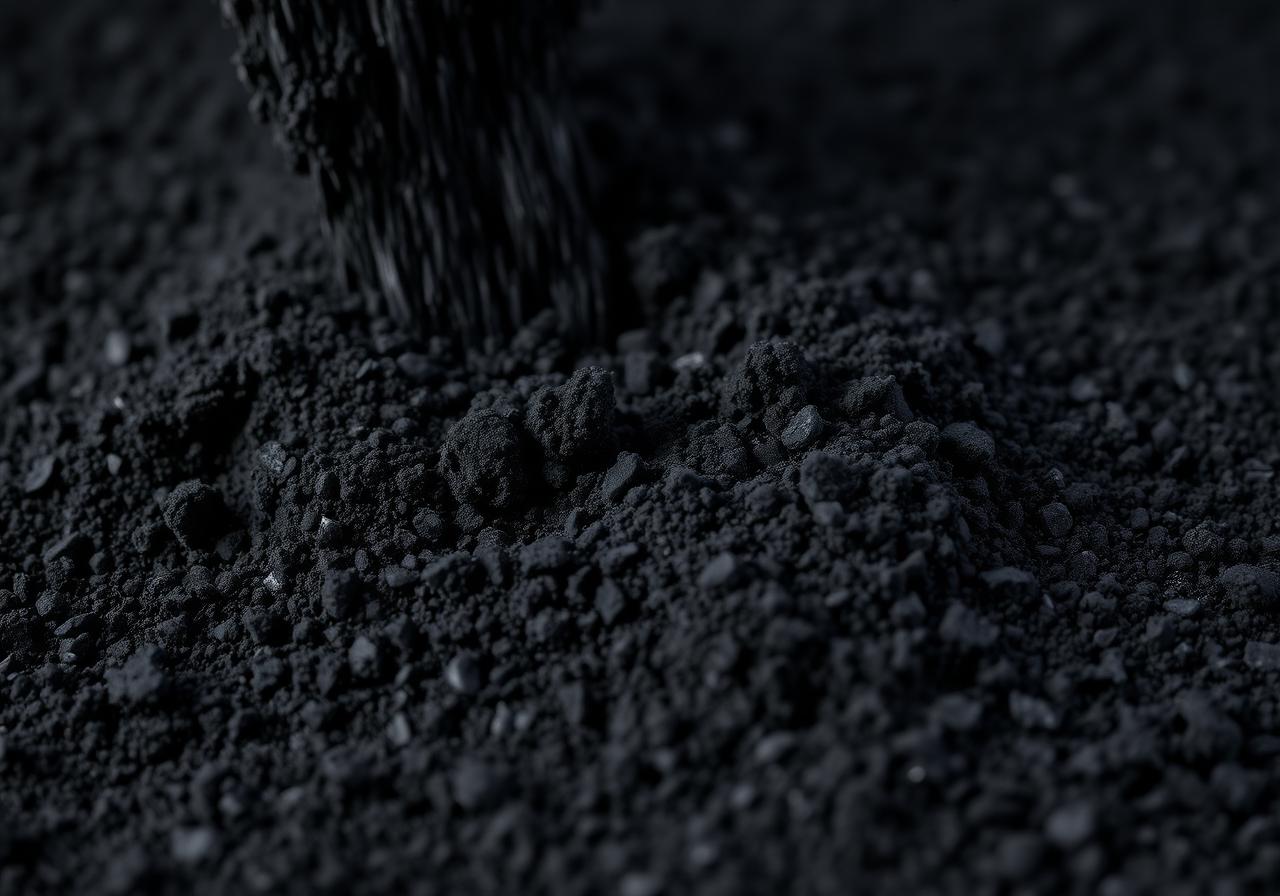
Wet-Blend Process
Engineered for Southern African road conditions
Why bitumen-rubber outperforms conventional pen-grade asphalt.
Rutting & Fatigue Resistance
An elastic rubber matrix dramatically improves resistance to permanent deformation and fatigue cracking under heavy freight loads.
Thermal Resilience
Stiffer at peak summer temperatures, more flexible in winter — engineered for the full South African climatic envelope.
Quieter Pavements
Rubberised surfaces measurably reduce tyre-pavement noise versus conventional pen-grade asphalt.
Lower Lifecycle Cost
Extended service life and resistance to moisture stripping reduce reactive maintenance and total cost of ownership.
Tyres in. Premium asphalt out. One accountable partner.
Capability Snapshot
- Binder methodologyWet-blend, SABITA M19
- Standards alignmentCOTO Chapter 9
- Crumb feedstockIn-house, Mesh 30–80
- Mix designContinuous & batch
- Quality controlIn-house lab + independent validation
- Delivery footprintNational capability